
 10 mins read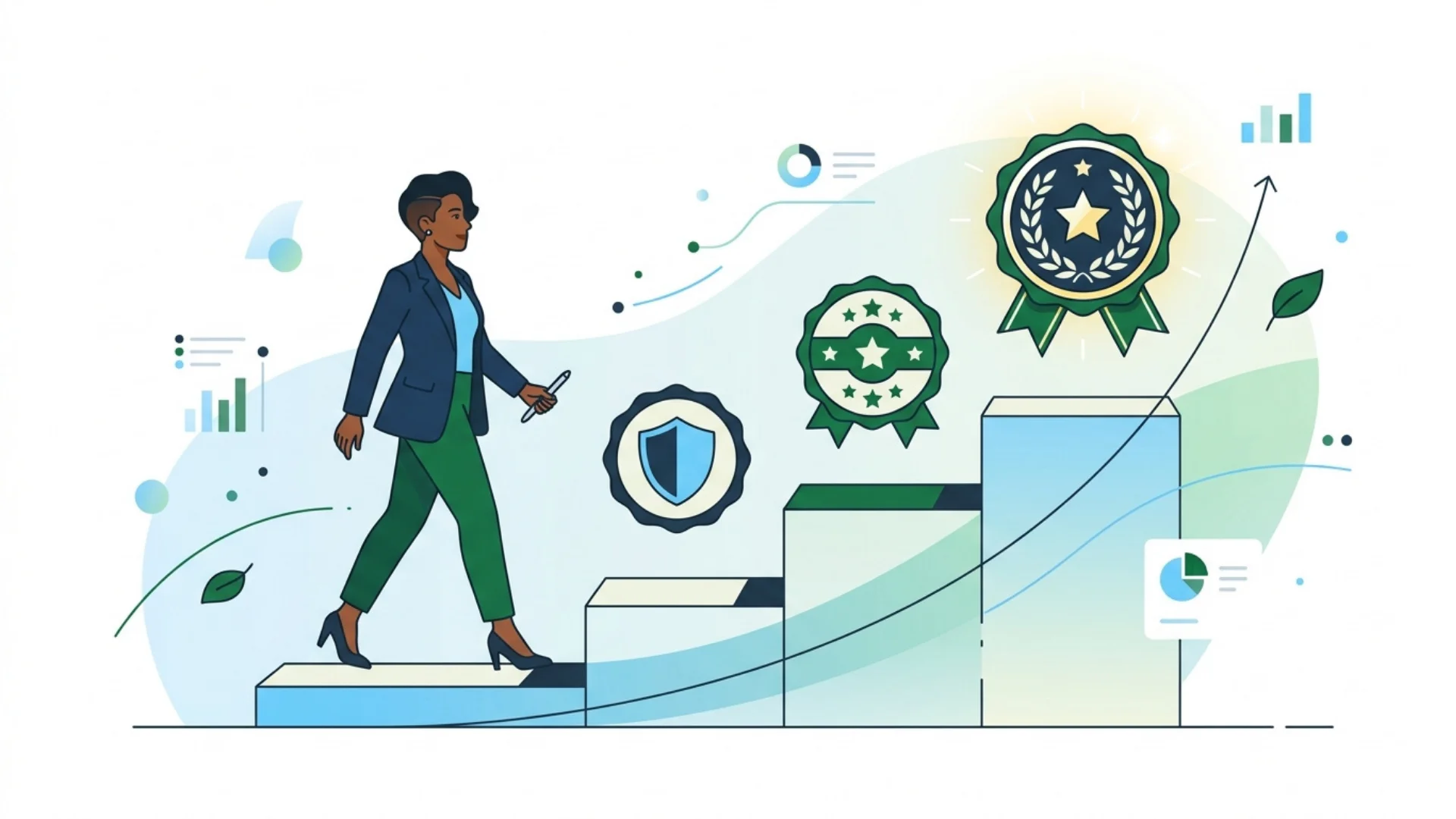
HR certifications are one of the most searched topics in the profession right now, and for good reason. If you have looked into them recently, you already know the problem. The options are everywhere, the advice is conflicting, and it is genuinely difficult to know whether you should be looking at a free online certification you can finish this afternoon or a paid credential from SHRM, CIPD, or HRCI that takes months of preparation and costs several hundred dollars.
The answer is not the same for everyone. It depends on where you are in your HR career, what role you are targeting, and what you need the certification to do for you right now. A fresher building their first profile has different needs from a mid-career HR manager preparing for a senior role, and both have different needs from a Chief People Officer looking to formalize their strategic credentials.
This guide covers the full HR certification landscape in 2026: what is available, what each credential is designed for, which bodies carry the most recognition, and how to make the right decision for your specific situation without wasting time or money on the wrong path.
TL;DR
- HR certifications fall into two broad tiers: free foundational certifications and paid advanced credentials like SHRM-CP, CIPD, and PHR
- The right certification depends on your career stage, target role, and whether you need a broad credential or a specialist one
- Free HR certifications from platforms like NextinHR cover modern HR skills like AI recruitment, ATS management, and HR analytics with no cost and no prerequisites during the early-access period
- Paid certifications like SHRM-CP, CIPD Level 5, and PHR carry global recognition and are worth pursuing once you have the experience to qualify
- Most HR professionals build a certification path over time rather than choosing one credential for life
- This guide covers the full HR certification landscape so you can make the right decision for where you are right now
What Are HR Certifications and Why Do They Matter?
An HR certification is a credential that validates your knowledge, skills, and competency in a specific area of human resources practice. Unlike a degree, which provides broad academic coverage over several years, a certification is focused, assessed, and tied to a defined body of HR knowledge or a specific skill set.
Employers use certifications as a signal of professional commitment and applied knowledge. For hiring managers reviewing candidates with similar experience levels, a relevant and verifiable certification is often what separates a shortlisted candidate from the rest. For HR professionals themselves, certifications serve a different purpose depending on career stage: early in a career they build profile and compensate for limited experience, mid-career they signal specialisation and readiness for senior responsibility, and at the leadership level they demonstrate that strategic HR thinking has been formally validated.
The question is not whether HR certifications matter. It is which HR certification you should get for where you are right now, and how it fits into your broader HR certification career progression.
The HR Certification Landscape: Free vs Paid
Understanding the landscape starts with recognising that HR certifications exist across a wide spectrum of cost, rigor, and recognition.
Free HR certifications are accessible to anyone, require no prior experience, and can typically be completed in a few hours. The best free certifications include a real assessment and deliver a verifiable digital credential rather than a simple completion badge. They are the right starting point for freshers, career switchers, and experienced professionals who want to add a specialist credential without a financial commitment. NextinHR is an HR professional platform that offers free specialist certifications in areas including AI-powered recruitment, ATS management, HR analytics, executive search, and talent sourcing strategy, currently available during the early-access period with no prerequisites required. What separates our certifications from most free options is that they are built around specialist HR and recruitment skills rather than broad theory, covering these areas in a way that is directly applicable to real HR roles at any career stage.
Paid advanced certifications include globally recognised credentials from SHRM, CIPD, and HRCI. These require HR work experience to qualify, involve rigorous preparation, and carry significant recognition with employers worldwide. They represent the right investment once you have entered the HR field and built enough experience to meet the eligibility requirements.
Most HR professionals move through both over the course of their career, starting with accessible free certifications and progressing toward advanced credentials as their experience and career goals develop. Knowing how to choose an HR certification that fits your current stage is the most important decision in this process, which is why the rest of this guide breaks it down by career stage.
If you are still weighing whether a certification or a degree is the right path for your career, we have covered that decision in depth separately.
HR Certifications by Career Stage
Choosing the right credential starts with identifying where you sit in your career. HR certifications for beginners, mid-career HR professionals, and senior leaders serve fundamentally different purposes and the programs suited to each stage reflect that.
Beginners and early-career HR professionals
If you are entering HR for the first time, your priority is building a verifiable profile before your first role. The right certifications at this stage have no experience requirements, cover practical and current HR skills, and deliver a verifiable digital certificate you can add to LinkedIn immediately.
Free HR certifications are the natural starting point here, particularly for job seekers who need a verifiable credential before their first HR role. Platforms including NextinHR offer free online HR certifications in specialist areas like AI-powered recruitment and ATS management that require no prior experience and can be completed in a single session. For those who want a broader HR foundation, Alison's free HR Management Diploma covers the full scope of the HR function across recruitment, employee management, and compliance. The most important thing at the beginner stage is choosing one focused certification in an area relevant to your target role, earning it properly, and applying that knowledge in your job search rather than collecting multiple surface-level badges.
A common question at this stage is whether an online HR certification is recognised by employers. The answer is yes, provided the certification includes a real assessment, delivers a verifiable credential, and covers skills relevant to the role. Employers hiring for entry-level HR and recruitment roles consistently use certifications as a differentiator between candidates with similar backgrounds, and a specialist credential in a current HR skill area carries more weight than a generic participation badge from a platform with no assessment process.
Mid-career HR managers
At the mid-career stage, certifications serve a different purpose. The goal shifts from building a profile to signalling readiness for greater responsibility and validating that your HR knowledge has been formally assessed at a professional level. This is typically the right time to consider both specialist certifications in areas where you want to develop depth and paid advanced credentials that carry broader institutional recognition.
For mid-career HR professionals looking to deepen a specific area of practice, our free certifications in HR analytics, AI-powered recruitment, ATS management, and executive search offer a structured, assessed, and verifiable route into specialist knowledge without the time or cost commitment of a full certification program. Moving from a generalist HR role into a specialist area is one of the most common mid-career transitions in the profession, and a targeted certification in the chosen specialism is one of the clearest ways to signal that shift to employers.
For those ready to invest in a formal advanced credential, SHRM-CP, CIPD Level 5, and PHR are the most recognised options at this career stage depending on your geography and industry.
Senior HR leaders
For senior HR professionals and those moving into leadership positions, certifications need to reflect strategic capability rather than operational competency. The right credentials at this level demonstrate that an HR leader can connect people strategy to business outcomes, influence at the executive level, and lead the HR function across an organisation.
Senior HR professionals also benefit from specialist certifications in areas like executive search, HR analytics, and talent sourcing strategy, particularly when moving into roles that require a deeper command of these disciplines. Our free certifications in these areas are open to HR professionals at any career stage and can complement a broader advanced credential rather than replacing it.
For formal advanced credentials at the senior level, SHRM-SCP, CIPD Level 7, and SPHR are the most recognised options. The decision between them typically comes down to geography, industry, and which body carries the most recognition with your target employer base.
The Major HR Certification Bodies
The three most globally recognised paid HR certification bodies are SHRM, CIPD, and HRCI. SHRM certifications are most recognised in North America and internationally, with the SHRM-CP and SHRM-SCP covering operational and strategic HR respectively. CIPD qualifications are the standard for HR professionals in the UK and across many international markets including the Middle East and parts of Asia. HRCI offers a competency-based framework with credentials spanning every experience level from entry to senior. Each body is covered in the relevant career stage sections above, along with guidance on which credential fits which point in your HR journey.
Alongside these paid credentials, NextinHR offers free specialist certifications in areas like AI-powered recruitment, HR analytics, ATS management, and executive search, giving HR professionals a verified, no-cost starting point before committing to a paid program or a practical way to add specialist credentials alongside one.
Where to Start Right Now
The simplest way to approach the HR certification decision is to match the credential to your current situation rather than chasing the most prestigious option on the list.
If you are new to HR or building your profile before your first role, start with a free certification in a skill area relevant to your target position. Our free HR certifications are currently available during the early-access period and cover the skills HR and recruitment teams need most in 2026, including AI-powered recruitment, ATS management, and HR analytics. No prerequisites, no cost, and a verifiable digital certificate the moment you pass.
If you are wondering whether HR certifications actually make a difference to your hiring chances, we have looked at that in detail.
If you are mid-career and ready to invest in a formal advanced credential, identify which body is most recognised in your geography and industry and begin working toward the level that matches your current experience. SHRM-CP, CIPD Level 5, and PHR are the most common entry points at this stage.
If you are senior or moving into a leadership role, look at credentials that reflect strategic capability rather than operational competency. SHRM-SCP, CIPD Level 7, and SPHR are designed for exactly that stage.
And if you are still asking what HR certification you should do first, the answer is always the same: the one that costs you the least, requires no prerequisites, and covers a skill area you can apply immediately. Everything else builds from there.