

 6 mins read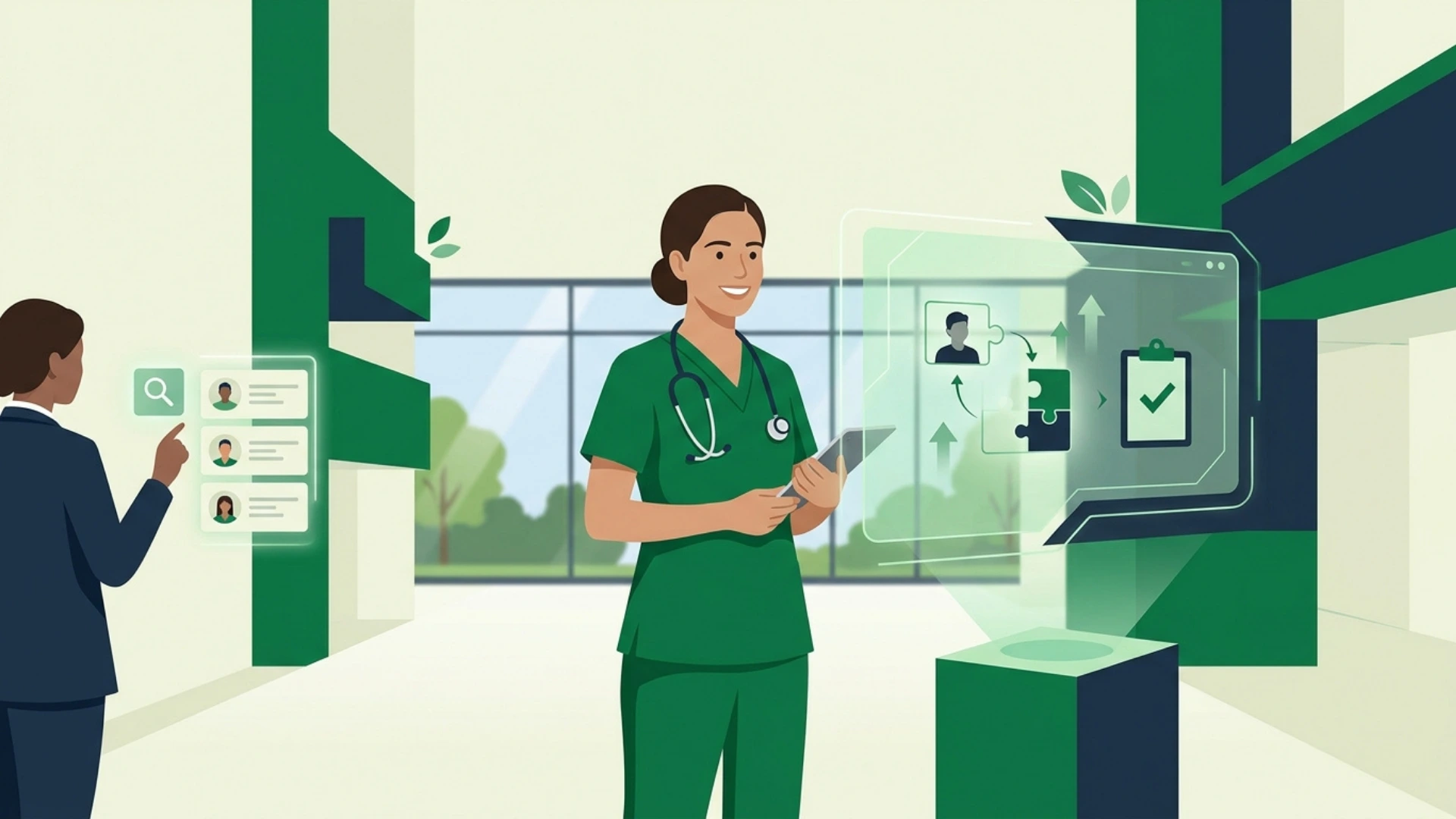
Every unfilled role in a healthcare organization creates a ripple effect that spreads further than most hiring teams anticipate.
Longer patient wait times, heavier workloads for existing staff, and gradual erosion of care quality are all downstream consequences of recruitment gaps. A McKinsey study says global healthcare systems may be short by at least 10 million workers by 2030. Many organizations are already feeling the strain today.
Recruiters who recognize this early are already adjusting their strategies and seeing results. Those who are still relying on reactive hiring are finding the process slower and more expensive than ever before. This article gets into what the smarter approach looks like.
TL;DR
- Healthcare organizations face increasing talent shortages, making strategic recruitment essential in 2026.
- Clearly define credentialing requirements to attract qualified candidates and reduce hiring risks.
- Offer flexible schedules, competitive benefits, and wellness support to stand out in a competitive job market.
- Build a strong employer brand that addresses burnout concerns and highlights a supportive workplace culture.
- Leverage AI and automation to streamline screening, scheduling, and candidate tracking.
- Focus recruiter efforts on relationship-building and candidate engagement rather than administrative tasks.
- Organizations that prioritize employee well-being, career growth, and efficient hiring processes will have a stronger advantage in attracting and retaining top healthcare talent.
Understand Credentialing Requirements
Recruiting the right healthcare professional starts with a clear understanding of the role's credentialing requirements. A misaligned hire, even a talented one, creates compliance risks and operational headaches that are costly to fix.
Spending time upfront mapping out the precise qualifications for each role saves significant time during screening and shortlisting.
Say you need a senior nursing professional who can step into a leadership capacity over time. You would ideally look for a candidate with a Master's in Nursing clinical nurse specialist degree from a reputed institution.
Programs like the Master of Science in Nursing – Clinical Nurse Leader are designed specifically for this purpose. The MSN-CNL program equips professionals with advanced skills in policy development, team supervision, delegation, and interdisciplinary collaboration, notes Cleveland State University.
For candidates, that credential signals real growth potential, which is a strong draw when you are competing for top talent.
If you need a physician with administrative oversight responsibilities, look for candidates with an MD and a Master of Medical Management. This combination gives you a professional trained in both clinical practice and healthcare operations.
Offer Flexible Schedules and Good Benefits
Healthcare professionals work in one of the most physically and emotionally demanding environments there is. When a candidate is weighing two offers, the one with more flexibility and stronger benefits wins more often than recruiters expect.
A survey cited by Medical Marketing and Media found that 66% of healthcare workers live paycheck to paycheck. Financial security is a very real concern for a large portion of the people you are trying to hire.
Therefore, financial wellness programs, student loan repayment assistance, and childcare support would be a good place to start.
Offering shift flexibility wherever operationally possible makes a real difference in attracting candidates who are burning out on rigid rosters. Compressed workweeks, self-scheduling options, and remote work for administrative or telehealth roles are worth building into your offers.
Also consider providing comprehensive health coverage, mental health support, and paid time off that people can use without guilt. Providing convenient digital care perks, such as arranging a doctor consultation through Updoc, helps staff manage minor health needs swiftly and easily. Clear pathways for career advancement can round out a package that serious candidates pay close attention to. These benefits communicate how an organization values its people before the first day of work even begins.
Build an Employer Brand That Cares Deeply
More than half of U.S. healthcare workers are actively looking to leave their current jobs, according to a Reuters-cited survey. The active talent pool is getting shorter with every passing day.
Burnout is the reason behind most of those exits. Crushing workloads, poor leadership support, and feeling undervalued are pushing skilled professionals out of organizations they once committed to.
Burnout varies widely by medical specialty, driven by differences in workload, administrative burden, clinical environment, staffing support”, says Dr. Bobby Mukkamala, President, American Medical Association, 2026
By the time a candidate lands on your job posting, they have likely already mentally checked out from somewhere else.
Your employer brand becomes your most powerful recruiting tool in this environment. Candidates are not just weighing compensation anymore. They are asking whether your organization will treat them better than the last one did. If your brand cannot answer that question clearly and credibly, the decision is already made before the interview.
Start by finding out what your current and former employees are saying on Glassdoor, Indeed, and LinkedIn. Then work closely with leadership to close the gap between what your organization promises and what people actually experience on the floor.
A strong employer brand is built on reputation, not polished messaging. Burned-out professionals need to believe things will be different at your organization before they take the leap.
Use Automation to Simplify the Process
Healthcare recruitment involves a volume of administrative work that drains recruiter bandwidth away from work that requires human judgment. Screening hundreds of applications, scheduling interviews, sending follow-ups, and tracking candidate progress across multiple roles leaves little room for building real candidate relationships.
Between 35% and 45% of companies are already using AI-powered tools in their hiring process and reporting measurable improvements in speed and quality. Healthcare recruitment needs to move in the same direction.
Automation handles the repetitive layers of recruitment well. AI screening tools filter applications based on credentials, experience, and role-specific requirements, so your shortlist arrives faster and cleaner.
Automated scheduling eliminates the back-and-forth that slows down interview coordination. Candidate tracking systems keep every conversation and application status organized across multiple open roles simultaneously.
This frees your team to focus on what no algorithm can replace. That is building trust with candidates, understanding what they want from their next role, and making a compelling case for your organization.
Key Data Points From This Article
Stat | Figure |
| Projected global healthcare worker shortage by 2030 | 10 million |
| U.S. healthcare workers are actively looking to leave their jobs | More than 50% |
| Healthcare workers living paycheck to paycheck | 66% |
| Companies using AI in hiring and seeing measurable improvements | 35% to 45% |
Closing the Gap Starts With One Good Decision at a Time
Healthcare recruitment is hard right now, and anyone telling you otherwise has not been in the trenches recently. But the teams making real progress are not doing anything extraordinary. They are being consistent, intentional, and honest about what candidates need.
You have more tools, more data, and more insight into candidate behavior than recruiters had a decade ago. Use that well. The only way to come out ahead is by treating recruitment as an ongoing discipline instead of a reactive scramble. Stay patient, stay deliberate, and trust the process you are building.