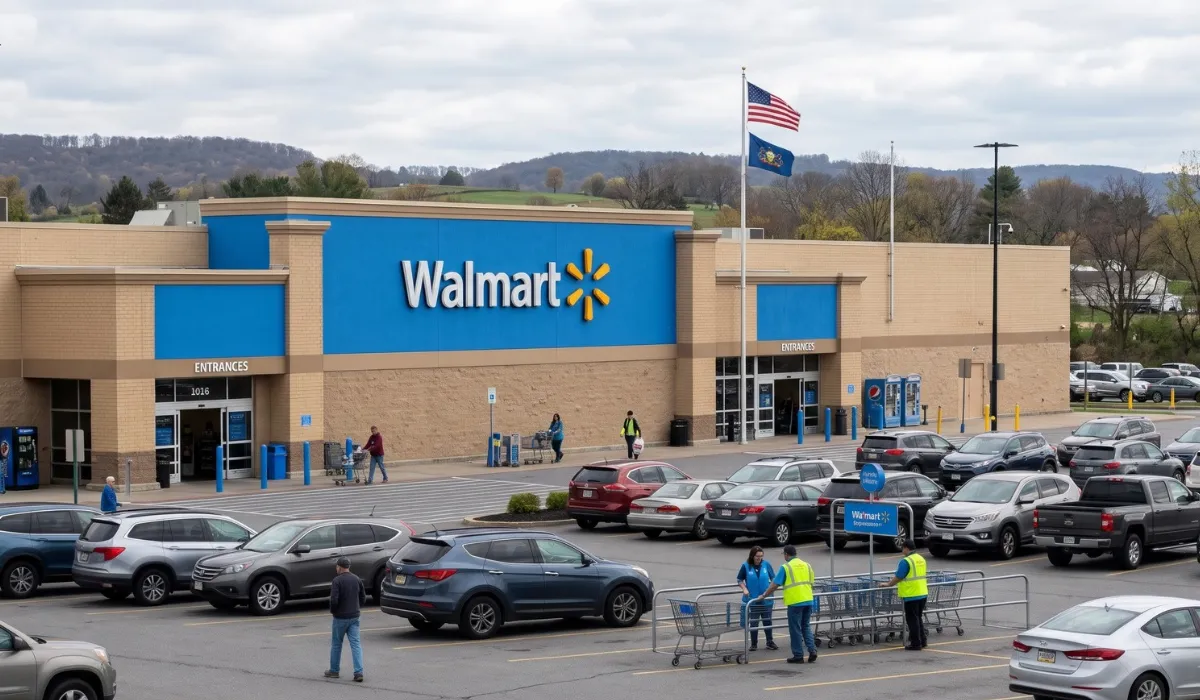
Walmart has agreed to pay nearly US$8 million in penalties following an investigation into violations of child labour laws at its stores in Pennsylvania. The settlement, announced by state authorities on November 9, 2026, follows findings that minors were working beyond permitted hours, missing legally required breaks and, in some cases, lacked the necessary employment permits.
The Pennsylvania Department of Labor and Industry began investigating the retailer in February 2025 after receiving referrals concerning minors who had been injured while working at Walmart stores.
Investigators conducted 10 audits across eight locations and identified an average of 65 violations of the state's Child Labour Act in each audit. The findings prompted authorities to expand their enforcement efforts to Walmart locations across Pennsylvania.
Walmart Faces $7.68 Million in Administrative Penalties
Under the settlement, Walmart must pay US$7.68 million in administrative penalties. This is separate from US$142,785 in fines the company had already paid following the initial investigations.
Together, the two amounts total approximately US$7.82 million, making this the largest child labour enforcement settlement in Pennsylvania's history. State officials also described it as one of the largest child labour enforcement actions undertaken by a state labour agency in the United States.
The violations identified during the investigation included failing to obtain required work permits for minor employees, not notifying school districts when minors were hired or terminated, failing to provide legally required breaks and allowing young employees to work more hours than permitted under state law.
Investigation Expanded Beyond the Initially Audited Stores
The investigation initially covered eight Walmart locations. After identifying a recurring pattern of violations, the Bureau of Labor Law Compliance expanded its enforcement efforts to Walmart stores across the state.
The resulting settlement applies to the retailer's operations throughout Pennsylvania rather than being limited to the locations originally audited.
The investigation was triggered by referrals concerning workplace injuries involving minor employees. However, Pennsylvania authorities said they did not find minors performing activities expressly prohibited under the state's Child Labour Act at the investigated locations.
Walmart Commits to Stronger Compliance Measures
Alongside the financial penalties, the agreement requires Walmart to introduce additional safeguards to prevent future violations.
These measures include training managers on Pennsylvania's child labour regulations, displaying information about employee rights in stores and providing employment records for minors at selected locations at six-month and one-year intervals following the settlement.
The agreement also includes stricter consequences for future non-compliance. Walmart will face penalties at twice the department's typical fine level if further violations are identified during the compliance checks specified in the agreement.
A Walmart spokesperson said the company was pleased to have resolved the matter, adding that it already had processes to support compliance with applicable laws and regularly reviewed and improved those systems.
HR Compliance and Protection of Young Workers
The case highlights the importance of treating employment compliance as an ongoing responsibility rather than a paperwork exercise.
For HR teams, employing younger workers requires careful attention to age-related employment rules, work permits, scheduling restrictions, school-related requirements and legally mandated breaks.
Manager training is equally important. Store managers and supervisors need to understand the regulations governing young employees and have systems that help them identify scheduling or documentation problems before they result in violations.
The settlement also demonstrates why large employers need consistent compliance monitoring across different locations. A policy may exist at corporate level, but its effectiveness depends on how consistently managers and local teams apply it.
For organisations employing minors, the Walmart case is a reminder that workforce compliance requires clear procedures, proper documentation and regular checks to ensure employees receive the protections provided by law.