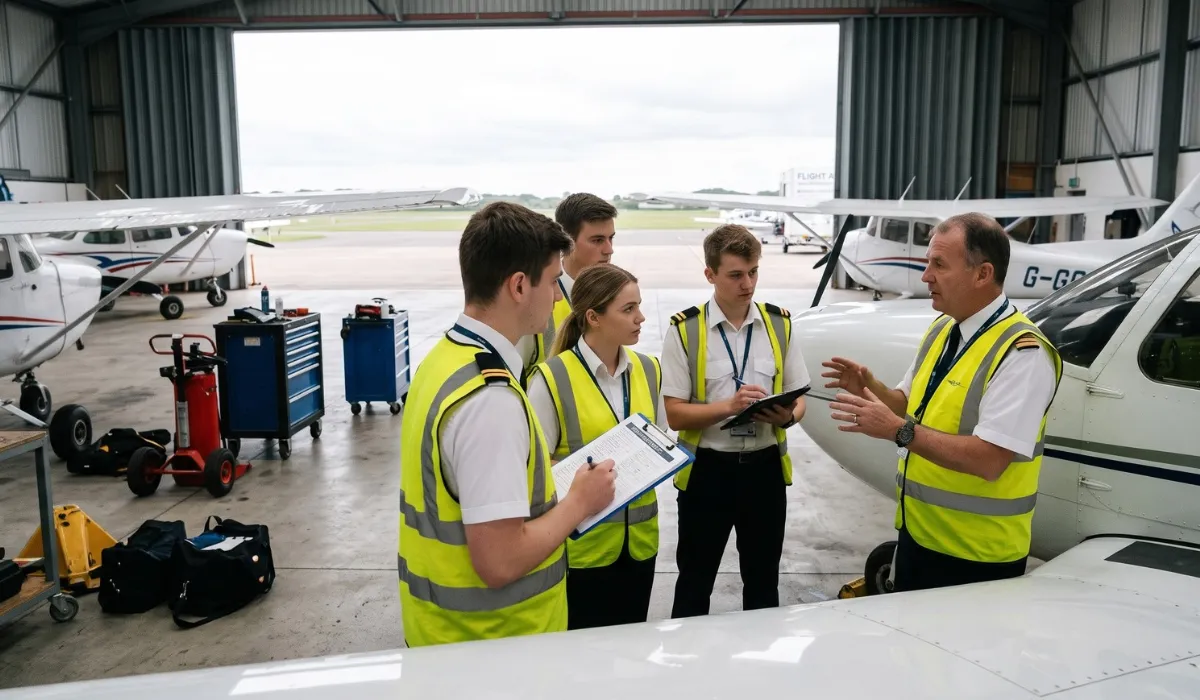
The British Airline Pilots' Association (BALPA) has urged the UK Government to support the future of commercial pilot apprenticeships, highlighting their potential to improve access to aviation careers and address long-term workforce requirements.
The union's call follows the November 2026 Milburn Review, which recommends doubling the number of young people completing apprenticeships over the next decade.
BALPA believes the recommendations provide an opportunity to reconsider the future of the First Officer Pilot Apprenticeship, which is currently paused for new starts.
Pilot Apprenticeship Scheme Faces Uncertainty
The First Officer Pilot Apprenticeship was introduced in 2019 but has struggled to attract sufficient participation from airlines.
According to Skills England, new starts are currently paused because of low enrolment. The organisation has proposed retiring the apprenticeship standard for new starts, although this decision has not yet been approved.
The Department for Transport confirmed in October 2026 that an approved training organisation could deliver the programme without charging trainees, but delivery remains paused because of limited airline participation.
BALPA argues that the programme could provide a more accessible route into commercial aviation for young people who cannot afford traditional pilot training.
Addressing Future Aviation Workforce Requirements
BALPA has highlighted concerns about future pilot availability as experienced professionals approach retirement and aviation demand potentially increases.
The union estimates that approximately 1,300 qualified airline pilots could reach retirement age over the next five years.
It believes expanding apprenticeship opportunities could help airlines develop a sustainable pipeline of future pilots while reducing the financial barriers that prevent talented candidates from entering the profession.
Apprenticeships Could Improve Access to Aviation Careers
BALPA also sees pilot apprenticeships as an opportunity to improve social mobility within the aviation industry.
Commercial pilot training can involve substantial financial investment, making the profession less accessible to young people without sufficient financial resources.
An expanded apprenticeship pathway could help candidates from different socioeconomic backgrounds gain access to professional flight training based on their aptitude and potential.
BALPA Calls for Government and Industry Collaboration
BALPA has offered to work with the Government, airlines and other stakeholders to identify how the pilot apprenticeship programme could become viable again.
The discussion highlights the importance of cooperation between policymakers and employers in developing specialist training pathways.
For the aviation industry, improving access to pilot apprenticeships could support future recruitment, workforce development and the availability of qualified professionals.