9 mins read
When was the last time an employee said, "I got your email about the policy update and read every word"?
Most HR teams already know the answer. They just keep sending emails anyway, because that is what HR communication has always looked like. A policy goes out. A reminder follows. A second reminder follows the first. And the help desk still gets the same questions three days later from people who received all three messages.
This is a common problem that HR teams face. The solution lies in finding out how internal communication is delivered rather than what it is. And this is where AI voice technology becomes significant.
This article examines what AI voice technology in HR communication means, where it helps, how to implement it effectively, and what to consider before committing to a platform.
What Is AI Voice Technology in Internal HR Communication?
Most people hear "AI voice technology in HR" and picture a phone menu with a friendly voice. Press one for payroll. Press two for benefits. Please hold.
But that is not what AI in HR is.
Instead, it's like giving every employee access to an HR contact who is always available, speaks like a human would, and never puts them on hold to get an answer.
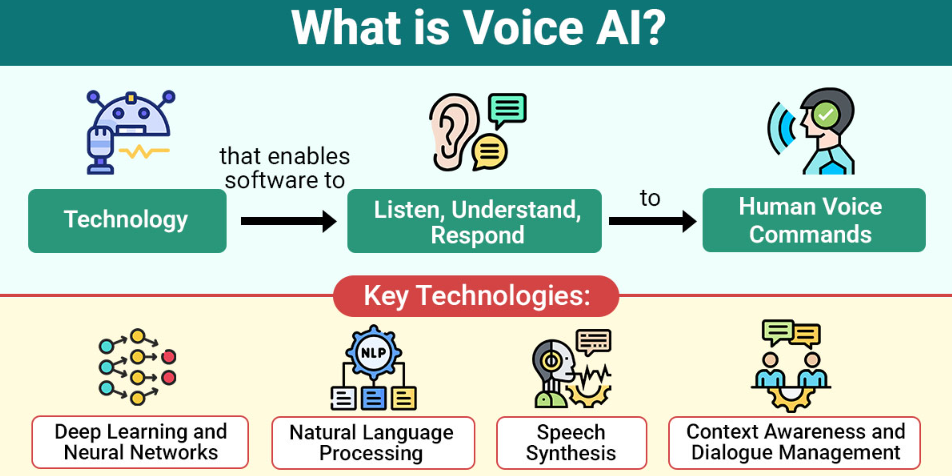
AI voice technology helps with:
- Voice announcements that deliver policy updates, compliance deadlines, and onboarding content by communicating with them in natural language and engaging them in the conversation.
- Voice assistant employees can talk to them directly. The employees can make just a call and ask about leave balances or payroll in simple language, rather than waiting for an HR person to become free and answer their questions.
- Multilingual delivery that reaches every employee simultaneously. People speak and understand different languages. So, a voice assistant can answer employees’ queries in their own language, without a separate translation team or delayed rollout.
- Natural language response where employees ask questions the way they would ask a colleague.
How AI Voice Technology Helps HR Teams Communicate Better
It Cuts Through the Noise That Text Creates
Most office employees start the day already behind on email. A policy update landing in an inbox full of other messages is not really a communication. It is a gamble on whether someone scrolls far enough to find it.
Voice communication can be more engaging and easier to retain than text-based messages for many employees. HR teams switching to voice delivery for compliance reminders and policy rollouts see better results because the medium suits the message.
Pro tip: Look at the three internal HR communications that consistently generate the most follow-up questions. If people keep asking about something you already sent, the format is a part of the problem. Those are your first candidates for voice delivery.
It Makes HR Accessible to Employees Who Are Not at a Desk
Warehouse workers, retail floor staff, and field teams rarely have consistent access to email during working hours. HR communications reach them late, partially, or not at all. Most will just ask a colleague and hope for the best rather than stop mid-shift to log into a portal.
Voice changes that. A quick call or mobile voice interface gives them what they need without breaking their workflow.
Pro tip: Ask your non-desk workforce directly how they currently find answers to HR questions. The gap between what you think is happening and what people do points to where voice makes the difference.
It Scales Multilingual Communication Without Adding Headcount
Many organizations manage multilingual HR communication badly. Content gets created in one language, translated inconsistently, and delivered at different times to different groups. Some employees get accurate, timely information. Others get a version of it, late.
AI voice platforms solve this at scale.
For instance, a modern AI voice platform can support 35 or more languages simultaneously, handle thousands of concurrent interactions without any drop in quality, and run at a cost per minute that makes large-scale deployment viable for most HR budgets. What used to require significant technical resources and enterprise-level spend is now accessible to organizations of most sizes.
Pro tip: Find which employee groups receive HR communications in a language other than the one they understand. Quantify how often breakdowns happen. That becomes your business case for multilingual voice capability.
It Gives Employees 24/7 Access to HR Answers Without Burning Out
HR help desk teams field the same questions constantly. Leave balances. Enrolment deadlines. Beneficiary updates. These have factual answers that do not need human judgment, yet someone still has to answer them at whatever hour an employee decides to ask.
Voice assistants handle this round the clock. HR professionals stop losing hours to questions that could be resolved automatically, and that recovered time goes toward work that genuinely needs them.
Pro tip: Pull three months of help desk ticket data. Separate factual tickets from those requiring judgment. Calculate how many hours went into the factual ones. That number makes the ROI case for voice AI.
It Strengthens Compliance Without Chasing People
Getting every employee to acknowledge a policy update is one of the most time-consuming parts of HR compliance. Emails get overlooked. Reminders get ignored. The deadline arrives, and a third of the workforce has still not confirmed receipt.
Voice delivery changes the completion rate because it demands a different kind of attention. An employee listening to a compliance reminder is not multitasking the way they are when an email arrives. Acknowledgement rates go up without HR teams having to personally follow up with individuals.
Pro tip: Pick your next compliance communication and split-test it. Send half your workforce the email version and deliver the other half by voice. Compare acknowledgement rates. The data will tell you more than any case study.
It Supports Managers With Consistent Team Communications
HR policies do not always reach employees directly. They travel through line managers, and somewhere along the way, the message changes. One manager briefs their team thoroughly. Another mentions it in passing. A third forgets entirely.
Voice AI gives HR teams the ability to reach employees directly and consistently, and maintain the employee-HR relationship effectively. It bypasses the inconsistency that comes from relying on a chain of managers to carry the message accurately.
Pro tip: Identify the last three HR updates that required a manager cascade. Ask a sample of employees from different teams what they understood the update to mean. Inconsistencies in those answers show you where voice communication should have gone directly.
It Creates a Better Onboarding Experience From Day One
When you hire freshers, they arrive with more questions than anyone has time to answer. What is the leave policy? Where do I find the benefits portal? Who do I contact about IT access? These questions are common, and most onboarding programs still rely on a document pack that nobody reads properly.
A voice-based onboarding assistant helps recruits understand everything properly and solve their doubts effectively. Due to this, they ask fewer repeat questions and get productive faster.
Pro tip: Track how many help desk tickets in the first 30 days of employment relate to questions covered in onboarding documentation. High volume means the documentation format is failing. Voice is the obvious fix.
How to Implement AI Voice Technology in Your HR Communication Strategy
Step 1: Audit Your Current Communication Gaps
Before looking at any tool, find out where your current HR communication breaks down. Which messages get ignored? Which ones generate the most follow-up? Which employee groups are consistently out of the loop? That audit becomes your requirements list. Without it, you are just shopping without knowing what you need.
Step 2: Start With One Use Case and Do It Thoroughly
The teams that get this right almost always start small. One use case, measured properly, learned from, then expanded. The ones that try to transform everything at once end up with partial adoption everywhere and strong results nowhere.
Good places to start:
- Open enrolment reminders delivered by voice instead of email.
- New hire onboarding is voiced in the employee's preferred language.
- Policy updates with a voice summary and a link to the full document.
- Leave balance and payroll queries handled by a voice assistant.
Step 3: Design the Experience Before You Touch the Tool
The most common mistake is configuring the technology first and thinking about the employee experience second. A voice interaction that feels scripted or hard to navigate creates frustration instead of solving anything.
Before anything goes live:
- Write scripts the way you would speak to someone in person, not the way you would draft a policy.
- Test with real employees from different teams before full deployment.
- Build clear escalation paths so employees can always reach a human when needed.
Step 4: Set Your Metrics Before Launch and Review Them Often
Voice AI is not a one-time project. It improves as you learn how employees use it. Set clear measures before you go live and check them monthly through the first quarter.
Worth tracking:
- Query resolution rate: How many questions get resolved without a human stepping in.
- Employee satisfaction: A simple post-interaction rating is enough to start.
- Help desk ticket reduction: Specifically for HR queries now handled by the voice system.
- Language coverage: Are multilingual employees using it at comparable rates to everyone else?
The Future of HR Communication Belongs to Teams That Listen
As workplaces become more distributed and diverse, HR teams need communication methods that are timely, accessible, and easy for employees to engage with. Traditional channels like email and intranet announcements will continue to play an important role, but they may not always be enough to reach every employee effectively.
AI voice technology offers a practical way to improve communication by making information more accessible, supporting multiple languages, and providing employees with on-demand answers to common HR questions. When implemented thoughtfully, it can help organizations create a more connected employee experience while allowing HR teams to focus on higher-value work.
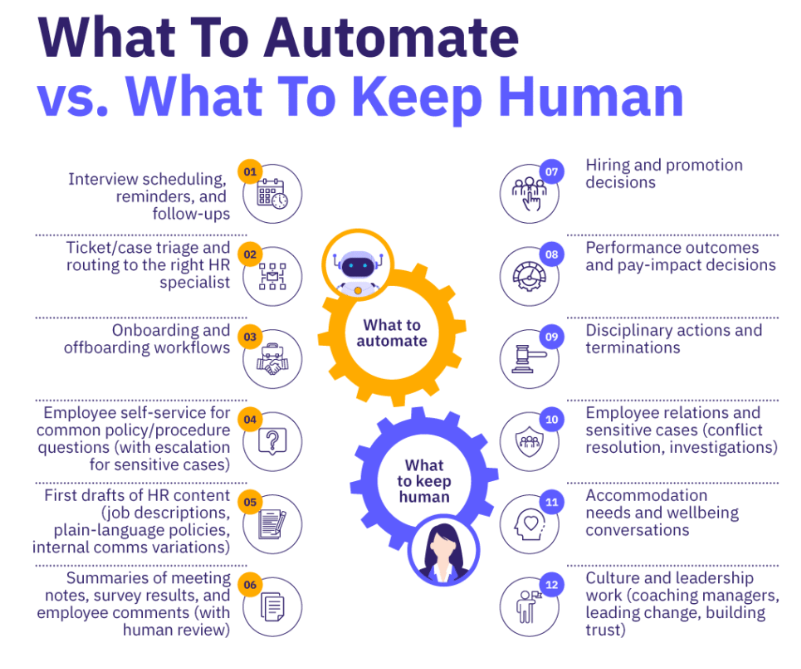
The future of HR communication is not about replacing human interaction. It is about using technology to ensure employees receive the right information, at the right time, through the channels that work best for them.