

 6 mins read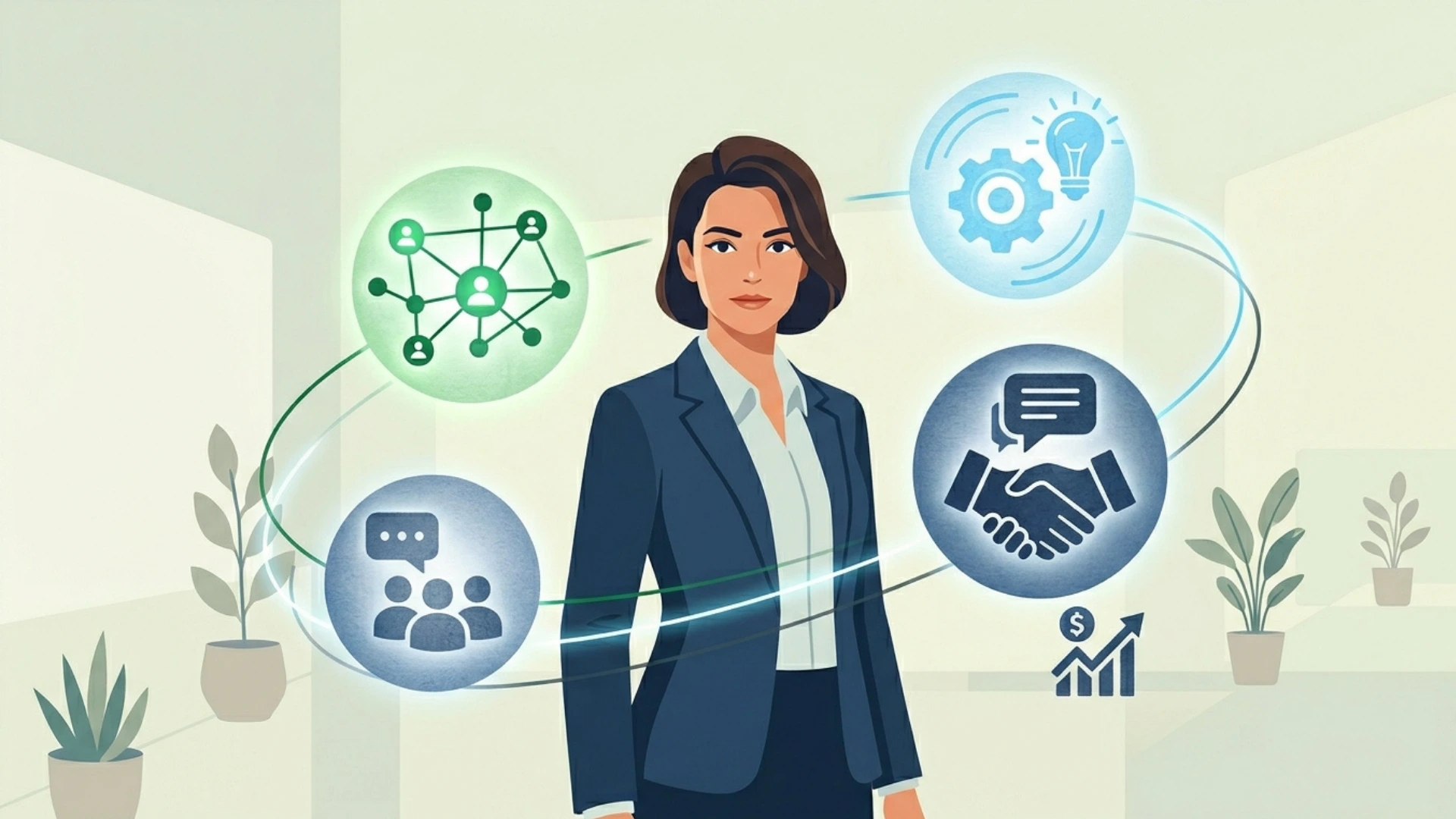
Modern HR leaders operate in a rapidly changing workplace environment today. They must balance people management with evolving digital transformation demands effectively today. Organizations expect HR professionals to drive culture, engagement, and performance growth consistently. This shift requires a stronger focus on strategic and analytical skills today.
Modern workplaces demand adaptability, communication, and data-driven decision-making abilities more than ever. Strong leadership and emotional intelligence are becoming essential competitive advantages globally. As competition increases, HR leaders must continuously upgrade their skills and mindset globally.
We'll take a closer look at the key skills that help modern HR leaders thrive, including leadership, analytics, adaptability, and clear communication.
TL;DR
- Modern HR leaders must combine people skills with strategic thinking.
- Workforce planning and leadership development are essential for long-term success.
- Data literacy and HR analytics help drive faster, smarter decisions.
- Change management skills are critical in today's evolving workplace.
- AI and technology proficiency are becoming core HR competencies.
- Strong communication and relationship-building foster trust and engagement.
- Continuous learning and adaptability are key to future-ready HR leadership.
Strategic Workforce Planning
Modern HR leaders anticipate future talent needs to ensure organizational readiness and stability. They align workforce strategies with business goals by planning hiring, retention, and internal mobility effectively. Data-driven insights and market analysis help HR teams predict skill gaps and allocate resources efficiently across departments.
Microsoft’s Work Trend Index 2025 surveyed 31,000 employees across 31 countries. A study revealed that 82% of leaders expect AI agents to expand workforce capacity within eighteen months. This is reshaping strategic workforce planning in organizations. HR leaders are increasingly adopting skills-based, AI-driven workforce models aligned with future business needs.
Leadership and Organizational Development
Effective HR leaders shape workplace culture, strengthen talent pipelines, and support long-term growth. Acting as strategic partners, they influence how teams collaborate and embed corporate values. This strong leadership ensures companies attract, retain, and nurture top talent effectively.
Organizational development improves efficiency, adaptability, and engagement through strategic planning. HR leaders guide change initiatives and cultivate innovation alongside accountability. Aligning people strategies with business goals ensures resilience against shifting market demands.
To strengthen these capabilities, some professionals pursue advanced educational pathways. For instance, doctoral programs in leadership can focus on leadership theory, organizational change, and executive decision-making. These programs equip HR leaders with analytical skills to lead transformation and high-level organizational decision-making.
Spalding University notes that through an accredited online EdD program, learners develop ethical leadership, teamwork, and systems thinking skills. The program explores organizational change, innovation, and leadership strategies. It also focuses on improving operations and ensuring digital infrastructure for global competitiveness.
Data Literacy and HR Analytics
HR leaders need data literacy to interpret workforce trends, measure performance, and make informed decisions. HR analytics helps identify hiring gaps, retention risks, and engagement patterns early. With accurate insights, leaders can align talent strategies with business goals. This capability strengthens efficiency, accountability, and long-term competitiveness in modern organizations overall.
PwC’s survey found that 57% of executives believe their organizations miss opportunities because decisions are not made quickly enough. Additionally, 53% of companies have moved beyond the planning stage on key actions.
Strong data literacy enables better workforce insights. HR analytics supports faster planning, decision-making, and organizational performance. This highlights the need for agile, decisive leadership in organizations.
Change Management Skills
Adapting to organizational change is a critical responsibility for modern HR leaders. They guide employees through transitions such as digital transformation, restructuring, and policy updates. Successful change management minimizes employee resistance while strengthening team trust. These skills help ensure smoother implementation of business strategies and long-term organizational stability.
Gartner reported that three-quarters of surveyed HR leaders stated managers are overwhelmed by expanding responsibilities. Nearly 69% also agreed that leaders and managers are not equipped to lead change. This highlights urgent gaps in organizational change readiness and leadership capability. HR leaders must strengthen change capabilities to maintain engagement and performance.
Technology and AI Proficiency
Digital tools now support recruitment, employee engagement, performance tracking, and workforce planning more efficiently. AI-driven systems analyze massive workforce data to uncover key trends and optimize strategic decision-making.
Automation reduces repetitive HR tasks, allowing professionals to focus on strategy and people development. HR teams are increasingly using predictive analytics to forecast hiring needs and skill gaps. Cloud-based HR platforms improve accessibility and streamline global workforce management. Understanding AI ethics and data privacy is also essential for responsible technology use.
Strong technological skills enable HR leaders to stay efficient, innovative, and competitive in changing business environments.
Relationship-Building and Influencing
Strong relationship-building and influencing skills help HR leaders create trust across teams and management. They enable better collaboration, conflict resolution, and alignment with organizational goals. By influencing stakeholders effectively, HR professionals drive positive workplace culture and engagement. These skills ensure smoother decision-making and stronger support for strategic initiatives.
Leadership experts like Simon Sinek often stress that influence is earned through trust and consistency rather than job titles or authority. In recent LinkedIn discussions, executives highlight that employees respond more to transparent leaders. Authentic communication and willingness to admit uncertainty are valued more than traditional authority-based leadership styles.
Key Statistics on Modern HR Leadership Trends and Workforce Transformation
| Executives anticipate AI agents will boost workforce capacity within 18 months | 82% |
| Executives reporting decisions are not made quickly enough | 57% |
| Companies that have moved beyond planning stage on key actions | 53% |
| HR leaders reporting managers are overwhelmed by expanding responsibilities | 75% |
| HR leaders stating managers are not equipped to lead change | 69% |
Building Future-Ready HR Leadership
Modern HR leadership is evolving rapidly in response to technological, cultural, and organizational change. Success now depends on combining strategic thinking with strong people-centric capabilities. Skills such as analytics, change management, and AI proficiency are becoming essential for competitiveness. At the same time, emotional intelligence and relationship building remain critical for workplace trust.
Organizations increasingly expect HR leaders to align talent strategies with business goals. Continuous learning and adaptability ensure long-term effectiveness in dynamic environments. Ultimately, future-ready HR leaders drive sustainable growth and organizational resilience.
Conclusion
The role of HR leaders is expanding beyond traditional people management. As organizations navigate rapid technological and workplace changes, success depends on balancing strategic vision with human-centered leadership. Skills such as workforce planning, analytics, change management, and AI proficiency are no longer optional—they are essential. By continuously developing these capabilities while maintaining strong relationships and emotional intelligence, HR leaders can build resilient organizations and drive sustainable growth in an increasingly complex world.