
 10 mins read
Professional identity in HR has always mattered. The question of who you are professionally, what you specialise in, what you have built, and how others perceive your expertise has shaped HR careers for as long as the profession has existed.
What is changing is not whether professional identity matters. It is what professional identity means, how it is formed, how it is communicated, and how it is verified. The infrastructure of professional identity in HR is being rebuilt around a set of new requirements that the profession has never had to meet before, and the practitioners who understand those requirements early will be the ones who carry the most credibility in the years ahead.
This blog examines where professional identity in HR came from, where it is going, and what that trajectory means for the decisions HR professionals need to make about their own identity infrastructure right now.
TL;DR
- Professional identity in HR is shifting from something built through relationships and reputation over time to something that must also be verifiable, specific, and digitally accessible from the first interaction
- Three forces are driving this shift: globalisation of HR talent markets, the rise of digital-first professional interactions, and the increasing demand for verified credentials across all trust-based professions
- The future of professional identity in HR is not just about having a profile. It is about having a verified, structured, and portable professional identity that works across every context where your career shows up
- HR professionals who invest in their identity infrastructure now will compound that advantage over the next decade
- The decisions made about professional identity today are not just career tactics. They are positioning decisions that will shape how the entire profession is perceived and trusted going forward
How Professional Identity in HR Has Changed in the Last Decade
Ten years ago, professional identity in HR was almost entirely relationship-dependent. Your reputation was carried by the people who knew you, worked with you, and were willing to vouch for you. Your professional identity was the sum of those relationships, the trust you had built person by person over years of consistent work.
That model worked within the professional contexts of the time. Most HR careers operated within a relatively defined geographic range. Professional networks were denser and more personally connected. The introduction to a hiring manager came through a mutual colleague, not through a profile search. Trust was established through personal history rather than digital verification.
The last decade changed all of that in ways that are still playing out. Remote work normalised professional relationships that began digitally and often stayed digital. HR talent markets became genuinely global, with organisations hiring HR professionals across borders without the shared networks that once provided the context for professional trust. LinkedIn made professional profiles the first point of contact in almost every professional evaluation, creating a new layer of professional identity that existed independently of personal relationships.
The result is a profession where the infrastructure of professional identity has been rebuilt around digital tools that were never designed to carry the weight being placed on them. General platforms, freeform profiles, and self-declared credentials are doing a job they were not built to do for a profession that requires a higher standard of professional trust than most.
The Three Forces Reshaping Professional Identity in HR
Three forces are currently driving the evolution of professional identity in HR, and understanding them makes the direction of the shift clearer.
Force 1: The globalisation of HR talent markets.
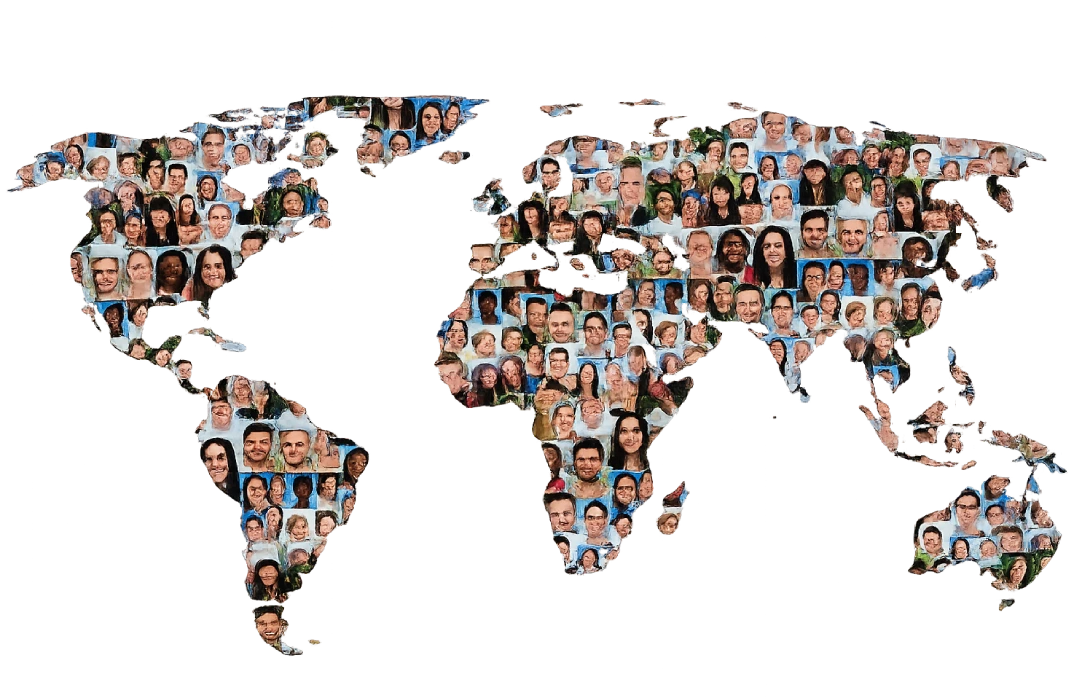
HR talent now moves across borders in both directions. Organisations hire HR professionals from other countries. HR professionals build careers across multiple geographies. Executive search firms compile HR shortlists from a global pool of candidates. In every one of these scenarios, professional identity has to communicate credibility to people who have no shared network context, no mutual connections, and no prior relationship to draw on.
A professional identity that works only within a personal network does not scale to a global talent market. The shift toward verified, structured, and digitally accessible professional identity in HR is, at its core, a response to the globalisation of the profession.
Force 2: The rise of digital-first professional interactions.
The first interaction between an HR professional and a recruiter, hiring manager, peer, or collaborator increasingly happens digitally before it happens in person. A profile is evaluated before a meeting is scheduled. An email outreach is assessed before a call is booked. A recommendation is checked before a referral is acted on.
In every one of these digital-first interactions, professional identity has to do the work that personal presence once did. It has to communicate expertise, signal credibility, and establish trust in seconds rather than over the course of a conversation. A professional identity that is not built for that speed and that context is not just less effective. It is actively working against the opportunities it should be creating.
Force 3: The increasing demand for verified credentials across trust-based professions.
HR is not the only profession facing this shift. Medicine, law, finance, and other trust-based professions have all moved toward more structured verification of professional identity over the last two decades. The expectation that professional credentials should be confirmable rather than simply stated has become a professional standard across fields where the consequences of unverified claims are significant.
HR is a trust-based profession. The people decisions HR professionals make affect careers, livelihoods, and organisations in ways that carry real consequences. The demand for verified professional identity in HR is the natural extension of a standard that the broader professional world has already started to apply to fields where trust is foundational.
What Professional Identity in HR Looks Like Today vs What It Will Look Like Tomorrow
The contrast between the current state and the direction of travel is worth making explicit.
Today, most HR professionals have a professional identity that is:
- Self-declared on general platforms with no verification mechanism
- Structured around generic fields that do not capture HR-specific expertise
- Visible in only one or two digital spaces with no portable presence across touchpoints
- Updated reactively rather than maintained continuously
- Dependent on personal relationships for credibility rather than structural verification
Tomorrow, the professional identity that carries the most weight in HR will be:
- Verified through current employment confirmation and structured HR designation frameworks
- Specific enough to communicate genuine specialisation in a searchable and credible way
- Portable across digital and physical touchpoints through a shareable verified identity
- Maintained continuously so it reflects where a career is now rather than where it was
- Credible to strangers and not just to people within an existing personal network
The gap between these two states is the opportunity that exists right now for HR professionals who are willing to invest in their identity infrastructure before the shift is complete.
What Having a Strong Professional Identity Will Mean in Five Years
In five years, professional identity in HR will be less of a differentiator and more of a baseline expectation. The HR professionals who stand out will not be the ones who have a verified, specific, and portable professional identity. They will be the ones who have had one long enough for it to carry a track record, a verified history, and a compounded professional reputation within the right communities.
That is the compounding dynamic that makes investing in professional identity infrastructure now, rather than later, the more strategically significant decision. The professional who builds a verified HR identity today and maintains it over five years will have something that a professional who builds one in five years cannot replicate: the track record, the established presence, and the compounded credibility of having been visible and verifiable for longer.
Five years from now, every HR professional who matters in global talent markets will have a verified professional identity. The ones who matter most will be the ones who built theirs early.
The HR Professionals Who Will Define the Next Era
Every professional shift produces practitioners who define what the new standard looks like. In medicine, they were the professionals who embraced evidence-based practice before it became mandatory. In finance, they were the ones who built transparent, accountable practices before regulation required it. In HR, they will be the practitioners who built verified, specific, and portable professional identities before the profession collectively agreed it was necessary.
These are not the loudest voices in the profession or the ones with the largest social media followings. They are the ones who understood that professional credibility is built on infrastructure, not just on activity, and who made the decisions about that infrastructure early enough for it to compound into a genuine advantage.
Where to Build the Identity Infrastructure That Supports This Shift
For HR professionals who want to build a professional identity designed for where the profession is heading rather than where it has been, NextInHR's HR Verified Profile offers exactly that foundation. Verified employment through a current work email, HR-specific designations that communicate genuine specialisation, and a Google-indexed public profile that works across every touchpoint where professional identity is evaluated. The HR Verified Card ensures that identity is portable into every professional setting, digital and in person, so it travels with you wherever your career takes you.
Future Readiness Check
Assess where your current professional identity stands against where the profession is heading.
Is your current professional identity verified through any form of employment confirmation?
If not, it is built on self-declaration in a market that is moving toward confirmed credentials.
Does your profile communicate your specific HR specialisation in a way that is searchable and credible to someone who has never met you?
If a stranger cannot understand your expertise from your profile in thirty seconds, your identity is not yet built for the digital-first professional world.
Is your professional identity portable across digital and physical touchpoints, or does it exist only in one place?
A single-platform professional identity is a single point of failure in a multi-channel professional world.
Would your professional identity hold up to evaluation by a hiring manager in another country who has no shared network with you?
If it depends on personal context to be credible, it is not yet built for a global HR talent market.
Professional Identity in HR Is Not a Career Tactic. It Is a Career Foundation.
The framing of professional identity as a tactic, something to optimise when you need a new role or want more visibility, misses the more important point. Professional identity in HR is the foundation that every career move, every referral, every consulting opportunity, and every professional relationship either sits on or does not.
The future of professional identity in HR is already visible in the decisions the most credible practitioners are making right now. They are building verified identities. They are being specific about their expertise. They are making their professional presence portable across every context where their career shows up.
They are not waiting for the profession to catch up with them. They are the ones the profession will catch up to.