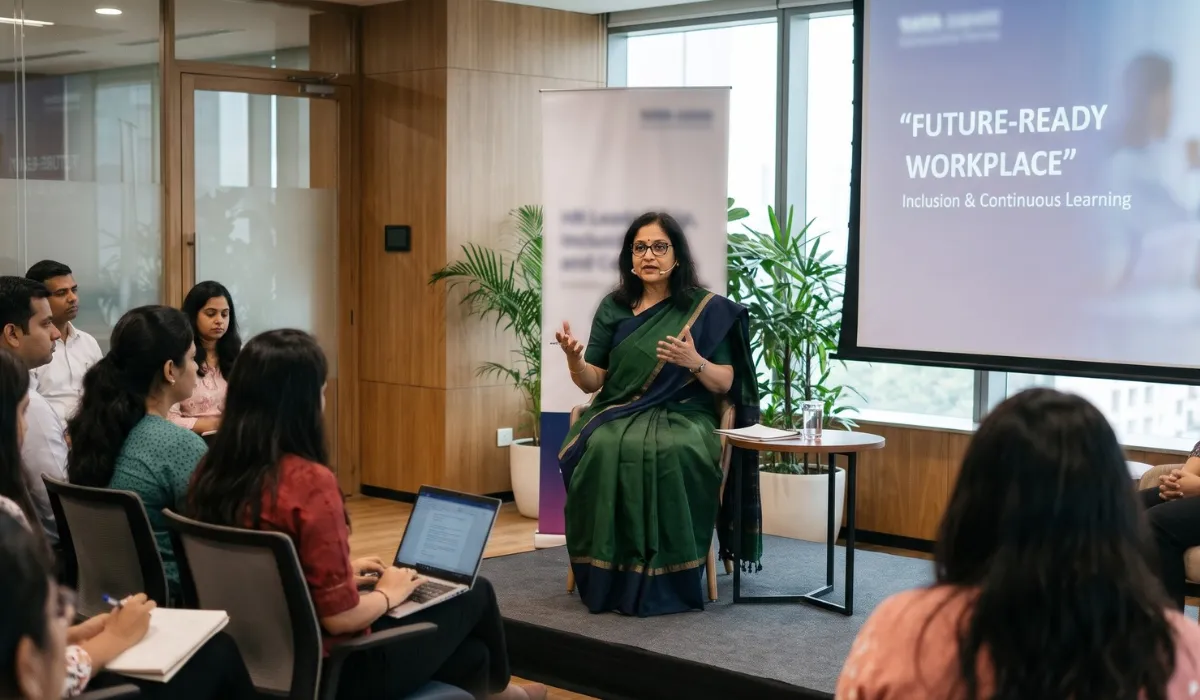
Vedanta Group chairman Anil Agarwal has said the company has made a minimum 35% representation of women at every level of management mandatory, while encouraging other organisations to adopt similar measures to improve gender diversity.
In a public statement on November 12, Agarwal highlighted the importance of giving women equal access to leadership opportunities, professional development and fair compensation. He said organisations should move beyond acknowledging gender diversity and take practical steps to increase women's participation in decision-making positions.
The statement builds on Vedanta's existing diversity commitments, which include expanding women's participation across its mining, metals, oil and gas, power and technology businesses.
Vedanta's Existing Commitment to Women's Representation
Vedanta announced in March 2026 that it aimed to increase women's representation across the organisation to 35%. At the time, women accounted for approximately 23% of its workforce.
The company's FY2025–26 integrated report also outlines specific diversity targets for the coming years. These include achieving 30% women's representation in its full-time employee workforce and 40% in leadership positions by FY2029–30, alongside a broader group aspiration of 35% overall representation.
The latest statement from Agarwal places additional emphasis on maintaining women's representation across individual management levels rather than focusing only on the overall workforce figure.
Equal Pay and Career Opportunities Remain Important Priorities
Agarwal has emphasised that improving representation should go hand in hand with equal pay for equal work and transparent opportunities for career advancement.
The focus is on ensuring women have access to meaningful responsibilities, leadership positions and professional development opportunities across the organisation.
For HR teams, this involves examining recruitment practices, promotion decisions, compensation structures and succession planning to identify barriers that may restrict women's progression.
Vedanta Encourages Greater Participation in Core Industries
Vedanta's gender inclusion initiative, #HerAtTheCore, focuses on attracting more women to industries where their participation has traditionally been limited, including mining, metals, manufacturing and energy.
The company has highlighted the role of technology, automation, improved workplace infrastructure and safety measures in expanding opportunities for women in operational and technical positions.
Its approach also includes workplace support policies and leadership development initiatives intended to help women build long-term careers across different functions.
What the 35% Representation Commitment Means for HR Leaders
The announcement puts greater attention on the role of HR in translating diversity commitments into measurable workforce outcomes.
Achieving meaningful representation requires more than increasing recruitment numbers. Organisations also need to examine whether women have fair access to career progression, leadership development, challenging assignments and retention opportunities.
HR teams can contribute by tracking representation across management levels, reviewing pay equity, strengthening succession pipelines and addressing workplace barriers that affect women's participation.
Agarwal's appeal also places the discussion beyond Vedanta, encouraging other organisations to treat women's representation as an important part of business and workforce planning rather than simply a diversity statement.
The broader challenge for employers will be ensuring that representation targets translate into sustained career opportunities and meaningful participation in organisational decision-making.