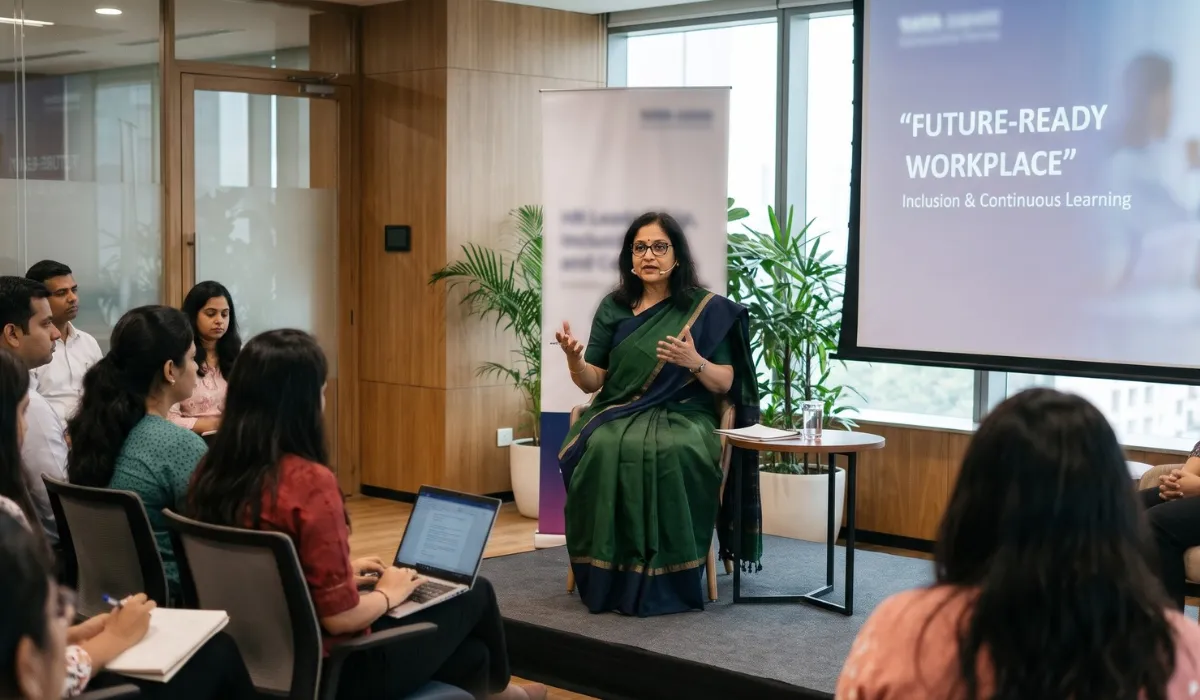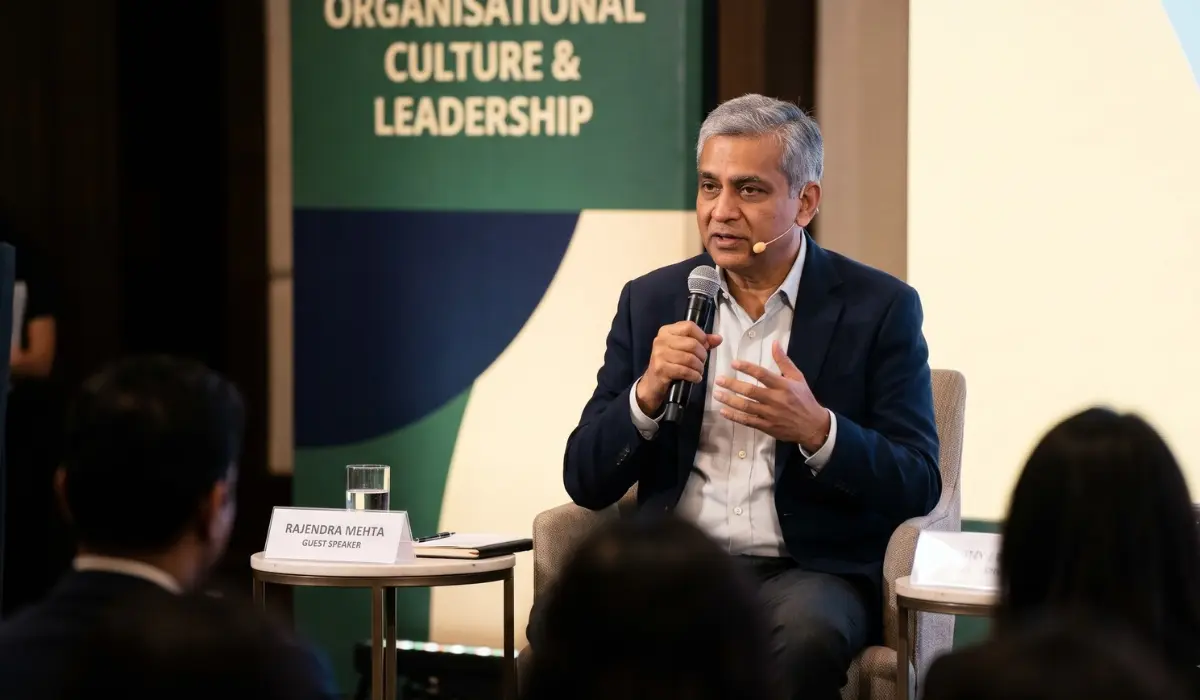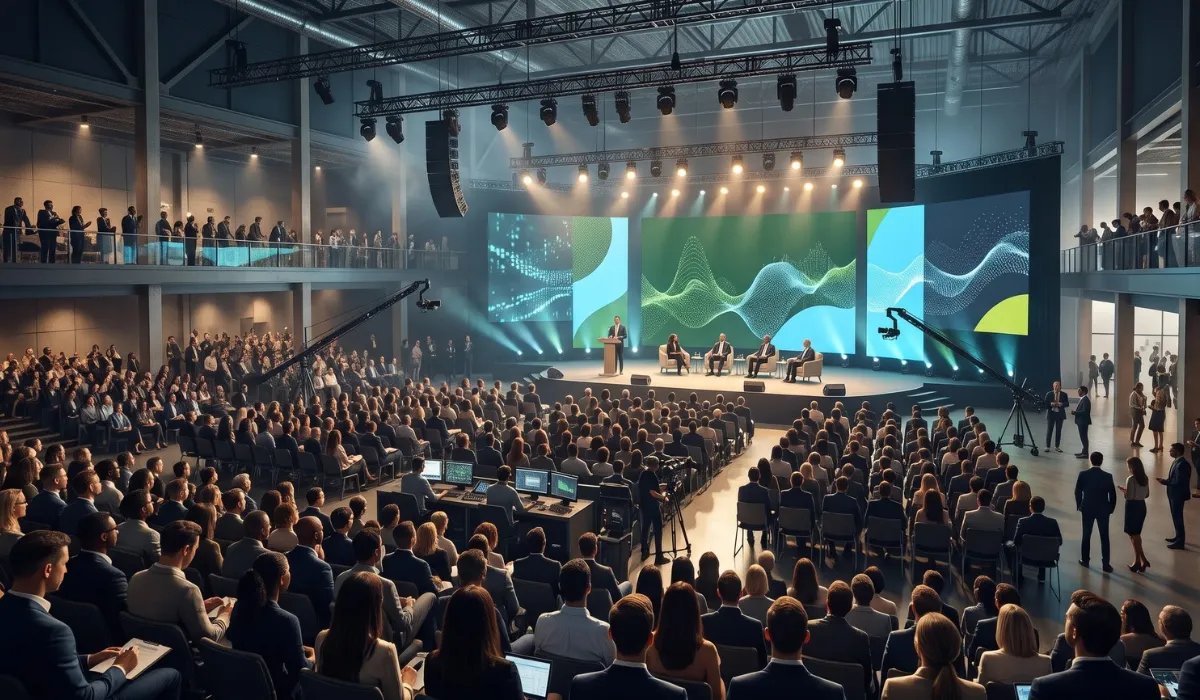
HRFest Canada 2026 brought together more than 1,000 human resources professionals, chief people officers and senior business leaders at Rebel in Toronto on November 10 and 11.
The two-day event featured discussions across five stages, covering artificial intelligence, recruitment, employment law, leadership, employee experience and the changing responsibilities of HR.
The gathering provided opportunities for HR professionals to exchange experiences, examine emerging workplace challenges and discuss how people functions can respond to changing business and technology requirements.
AI Governance Emerges as a Major Discussion Point
One of the central themes at HRFest Canada was the growing responsibility of HR leaders as organisations introduce AI into workplace processes.
During discussions on AI governance, Leadership Contract founder and CEO Vince Molinaro emphasised that HR leaders should not hand over decision-making accountability to artificial intelligence.
The sessions also explored the financial and operational challenges of AI adoption. Kalifa Oliver, executive advisor and senior director of technology at Lowe's Companies, discussed how AI implementation can create unexpected costs when organisations expand usage without adequately assessing its value.
The conversations highlighted the importance of balancing technology adoption with governance, accountability and measurable business outcomes.
AI Is Changing Recruitment and Candidate Assessment
Recruitment was another important subject during the festival.
Sabrin Lila, director of talent acquisition at Hydro One, discussed the growing challenge of assessing candidates when jobseekers use AI to tailor their applications while employers increasingly rely on AI tools to screen those same applications.
The discussion pointed towards a renewed emphasis on interviews, practical skills assessment and understanding the person behind the application.
Alexandra Tillo, senior talent marketing strategist at Indeed, also highlighted skills-based hiring and simpler job descriptions as ways to improve how employers identify suitable candidates.
Workplace Trust and Transparent Leadership Take Centre Stage
Beyond technology, speakers returned to the importance of trust between employees, managers and organisational leadership.
Siobhan Calderbank, vice-president of belonging at Element Fleet Management, highlighted the importance of communication during organisational change, particularly when employees are uncertain about decisions affecting their work.
Margot Perlmutter, chief people officer at Cannex Financial, also discussed the importance of being transparent with candidates about what an organisation can and cannot offer.
These conversations reinforced the role of honest communication in maintaining trust during recruitment, transformation and changing workplace arrangements.
Five Stages Offered Different Perspectives on HR Challenges
The event's programme was organised across four main stages and a separate HR Leaders Forum.
The Hangar hosted keynote discussions and larger panels on HR strategy, leadership and workplace transformation.
The Vault focused on practical HR issues, including employment law and workplace compliance. The Lab offered hands-on workshops covering technology, people analytics and employee experience.
The Loft provided career-development discussions for managers and directors, while the HR Leaders Forum brought together senior people leaders for more focused, closed-door discussions.
The five-stage format allowed attendees to explore different subjects according to their professional responsibilities and interests.
HRFest Canada 2026 Highlights the Changing Role of HR
The discussions throughout the two-day festival reflected the growing range of responsibilities facing HR professionals.
AI adoption is changing recruitment and workforce management, while employment regulations, employee expectations and organisational transformation continue to create new demands on people leaders.
The event highlighted the importance of keeping HR involved in business decisions, particularly when technology and organisational changes affect employees.
For HR professionals, the conversations offered an opportunity to consider how technology, leadership, trust and employee experience can work together to shape the future of the workplace.