

 10 mins read
The difference between filling roles vs building teams is more than semantics. Many organizations think they hire strategically, but they are often only filling roles. Filling roles focuses on closing vacancies quickly. Building teams prioritizes long term performance, collaboration, and retention. Adopting a strategic hiring mindset and emphasizing team-based hiring changes how recruiters source, interview, and onboard. This article explains practical steps to move from reactive hiring to hiring that builds high-performing teams and improves long term business outcomes.
TL;DR
- Shift focus from filling roles to building teams to boost quality and retention.
- Use a hiring framework that balances skills, culture fit, and team dynamics.
- Leverage ATS and AI for screening while keeping humans for team fit decisions.
- Track team-level metrics like time to productivity and collaboration scores.
- Design interview loops that evaluate impact on existing teams, not just individual skills.
- Prioritize onboarding and role clarity to protect team cohesion and reduce churn.
- Small process changes can speed hiring and improve long term business outcomes tied to filling roles vs building teams.
Filling Roles vs Building Teams Explained
Filling Roles vs Building Teams Explained
Filling roles addresses an immediate staffing need, while building teams supports long-term capability, collaboration, and business performance.
Factor | Filling Roles | Building Teams |
Main goal | Fill an immediate vacancy | Strengthen long-term team capability |
Hiring focus | Individual skills and job fit | Skills, collaboration, and team contribution |
Best used for | Urgent or standardized roles | Strategic and highly collaborative roles |
Key metrics | Time to fill and cost per hire | Time to productivity, retention, and quality of hire |
Main risk | Repeated hiring and capability gaps | A slower process if criteria are unclear |
What Focusing on Filling Roles Looks Like
Filling roles vs building teams starts with requisitions. A hiring manager opens a job, recruiters source candidates, and the primary goal is to close the vacancy quickly. Typical metrics are time to fill, number of hires, and cost per hire. This approach makes sense when headcount is urgent or work is transactional. However, if teams prioritize speed over team fit, they can produce short lived hires and frequent rework.
What Focusing on Building Teams Looks Like
Building teams asks how a new hire will change outcomes for a group. It evaluates skills, personality, complementary strengths, and collaboration potential. Metrics shift to time to productivity, retention, team satisfaction, and business impact. When organizations prioritize building teams rather than simply filling roles, they accept a slightly longer process for stronger long term results.
The Hidden Costs of Only Filling Roles
When organizations focus mainly on filling roles, they accept trade offs. Fast hires can create rework, lower morale, and hidden costs. For example, a hire who meets technical requirements but does not align with team norms can reduce overall team output. Teams focused only on time to fill often rely on keyword matching and transactional interviews. This may inflate offer acceptance while increasing early turnover.
One staffing leader observed that filling roles without considering teams increased voluntary turnover in critical functions and raised hiring volume by nearly one quarter to patch gaps.
Benefits of Building Teams in Hiring
When organizations rethink filling roles vs building teams, they begin to hire for long term impact rather than short term coverage. Benefits include:
- Higher retention because hires match team culture and expectations.
- Faster time to meaningful contribution when teams integrate new hires well.
- Better collaboration and innovation from complementary skill sets.
- Lower long term hiring costs as fewer replacement hires are needed.
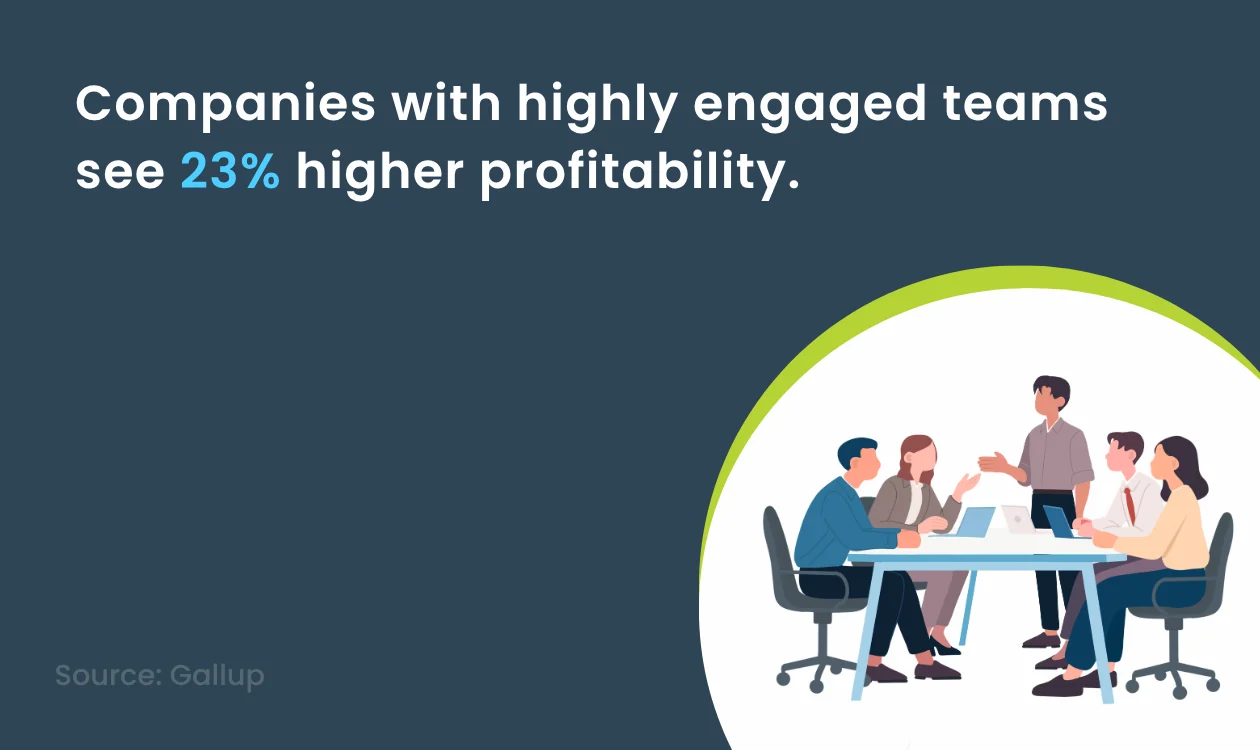
Data from Gallup shows that companies with highly engaged teams achieve 23% higher profitability, reinforcing why organizations should focus on building teams rather than simply filling roles.
A Framework for Filling Roles vs Building Teams
Use a three step decision framework to choose between filling roles vs building teams for each requisition. The framework helps apply a strategic hiring mindset so teams choose the right approach for impact.
1. Assess Urgency and Business Impact
Ask whether the vacancy blocks critical operations or strategic initiatives. If work will stop without immediate coverage, prioritize filling roles with clear expectations and short term success criteria. If the role affects product direction, client outcomes, or long term strategy, prioritize building teams and hire with a focus on hiring for team fit.
2. Map the Team Capability Gap
Create a simple capability map for the team. Note existing strengths, missing skills, and behavioral traits that matter. This map reveals whether you need a stopgap generalist or a targeted strategic hire who shifts team performance. Mapping capability supports a talent strategy hiring approach and reduces the risk of reactive vs strategic hiring mistakes.
3. Choose the Right Hiring Design
Match the process to the decision. For filling roles use a tighter process with fast screening and decoupled assessments. For building teams design collaborative interview loops, include future peers, and simulate real work scenarios that show fit and impact potential. A clear scorecard that includes team outcomes helps hiring managers compare candidates consistently.
Interview Strategies for Team-Based Hiring
Example Team-Based Interview Scorecard
A structured interview scorecard helps hiring teams evaluate every candidate against the same role-related criteria. Each interviewer can rate the candidate from 1 to 5 and add evidence from the interview.
Evaluation area | What to assess |
Role capability | Relevant skills, experience, and job readiness |
Problem-solving | Ability to analyze challenges and propose practical solutions |
Collaboration | Ability to communicate, share responsibility, and work across teams |
Team contribution | Skills or perspectives that strengthen an existing capability gap |
Learning agility | Ability to adapt, accept feedback, and develop new skills |
Hiring teams should define what a strong answer looks like before interviews begin. Final decisions should be based on documented evidence across the scorecard rather than general impressions or an undefined sense of team fit.
Whether you are filling roles or building teams, the interview loop shapes outcomes. For team-based hiring, design interviews that measure collaboration and how a hire will affect team dynamics. Here are practical tactics:
- Structured interviews for skill validation reduce bias and make results comparable.
- Peer interviews gauge team fit; include a rubric to evaluate collaboration and communication.
- Work samples or take home assignments show how a candidate will operate in context.
- Behavioral questions predict how a candidate handles conflict, feedback, and priorities.
Use clear rubrics that capture both role competence and team impact. This makes hiring for team fit explicit and creates a consistent basis for decisions across hiring managers and peers.
Leveraging ATS and AI Without Losing Team Focus
An ATS and AI screening tools speed sourcing and surface qualified candidates. They are ideal when filling roles because they reduce manual screening time. When building teams, use technology to amplify human decisions. For example, use AI to rank candidates by skill match, then involve team members for fit interviews. Use ATS workflows to ensure consistent communication and to capture feedback from peers and hiring managers.
Best practice is to configure systems to support team based hiring. That means templates that collect team fit feedback, integration with onboarding checklists, and analytics on team outcomes tied to hires. Combining automation and human judgment reduces time to hire while protecting quality. Configure reporting to show the difference between reactive hiring metrics and strategic hiring mindset metrics like time to productivity and team satisfaction.
Real Examples of Team Focused Hiring
Example one: A mid sized software company had chronic product delays because engineers were hired for individual skills without regard for team collaboration. They switched to a team building model and prioritized filling roles vs building teams decisions based on impact. Interview panels expanded to include product and QA peers. The company tracked time to first release contribution and saw improvement in cycle time and fewer rollbacks.
Example two: A staffing firm that prioritized filling roles improved short term placement numbers but faced higher churn. They introduced a probation program that focused on team integration and adjusted sourcing to screen for collaboration. Retention improved and cost per successful placement decreased. These cases show how a talent strategy hiring approach can shift outcomes when teams measure the right signals.
Industry research supports a deliberate approach. Studies by major talent platforms show that candidates who match team culture and role clarity are more likely to stay and perform. Talent leaders who measure time to productivity and team satisfaction see stronger ROI on hiring investments. Use these insights to build internal business cases for team oriented hiring and to move from reactive vs strategic hiring practices.
Key Hiring Metrics HR Teams Should Track
To evaluate whether you are succeeding with filling roles vs building teams, track a mix of operational and outcome metrics. Measure what matters to team success, not only process speed.
- Time to fill and time to offer for operational speed.
- Time to productivity to measure how fast hires contribute.
- New hire retention at ninety days and one year for longevity.
- Team engagement or net promoter scores to capture morale.
- Quality of hire metrics that combine performance ratings and business outcomes.
Practical Roadmap: From Transactional to Strategic Hiring
Here is a step by step plan recruiters and HR teams can use to move toward team oriented hiring and a strategic hiring mindset:
- Start with a pilot team that needs high collaboration. Test team based interview loops and onboarding.
- Train recruiters and hiring managers on the capability map and scorecards.
- Update ATS templates to collect team feedback and link to onboarding tasks.
- Measure outcomes for hires from the pilot and iterate before scaling.
- Communicate wins to leadership to secure investment in process changes.
Common Objections to Team Based Hiring
Objection: Building teams is slower and we need hires now. Response: Use a hybrid approach. Fill critical roles quickly and use team oriented hiring for strategic positions.
Objection: We do not have time to coordinate interview panels. Response: Create standard panel formats and shared calendars. Use short structured interviews and give peers clear evaluation criteria so hiring for team fit is fast and consistent.
Quick Checklist for Recruiters
- Review open roles and tag them as urgent or strategic.
- Create a one page capability map for high impact teams.
- Add team fit questions to your interview scorecard.
- Configure ATS panels and feedback templates to include peers.
- Plan a 90 day onboarding path focused on team integration.
Conclusion
Organizations rarely fail because they cannot fill vacancies. They fail because the people hired never become a strong team. Choosing between filling roles vs building teams is not an either or decision. It is a strategic choice for every requisition. By applying a clear framework, using technology wisely, and measuring the right outcomes, recruiters and HR teams can balance speed with long term performance.
When hiring shifts from transaction to team, organizations see better retention, faster impact, and greater return on their talent investment. Start small, prove the value, and then expand. The result will be smarter hiring and stronger teams. Stay ahead of the curve - explore more HR insights on NextInHR.