
 8 mins read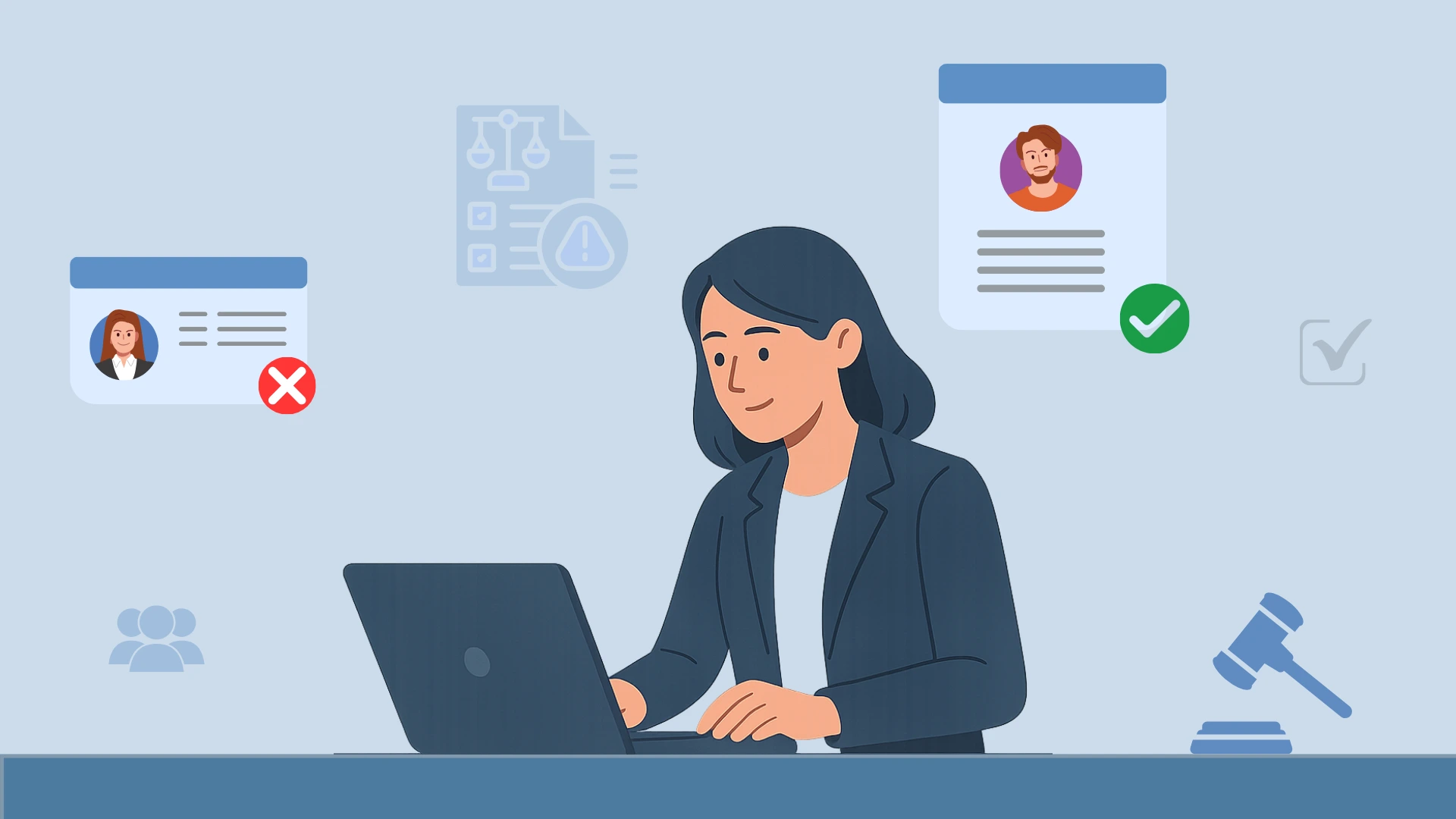
As organizations automate hiring decisions, AI tools can create bias, legal risk, and missed talent opportunities when they are not properly governed. Ethical AI in HR helps teams use AI for screening, interviews, and workforce decisions in a fair, transparent, and compliant way. This guide explains how to reduce AI bias in hiring, improve HR AI compliance, and build more trustworthy recruitment processes with human oversight.
TL;DR
- AI hiring tools can inherit bias from historical data and opaque algorithms
- Biased AI creates serious legal risks under EEOC, GDPR, and emerging AI laws
- Ethical AI in HR requires transparency, audit trails, and explainable decisions
- Diverse training data and regular fairness audits reduce discrimination
- Human-AI collaboration ensures efficiency without losing judgment
- Ethical AI improves hiring quality, reduces turnover, and prevents lawsuits
- Responsible AI adoption future-proofs HR and builds trust with candidates
Understanding Bias in Ethical AI in HR: AI bias in hiring
Ethical AI in HR starts with recognizing how algorithms inherit human prejudices. Unlike intentional discrimination, AI bias creeps in through seemingly neutral data and design choices. Detecting those hidden signals is the first step to fair hiring.
Common AI Bias in Hiring Pitfalls
Historical hiring data often reflects past inequities. When algorithms learn from resumes spanning decades, they absorb gender gaps in leadership roles and racial disparities in career advancement. A system trained on predominantly male engineering hires will systematically downrank qualified women not through programmed intent but through pattern recognition gone wrong. This risk highlights why Ethical AI in HR must address historical data bias proactively.
Algorithm opacity creates another trap. "Black box" systems make decisions HR teams cannot explain to candidates or regulators, amplifying legal and reputational risks AI HR departments cannot afford. When you cannot articulate why an applicant was rejected, you are vulnerable to discrimination claims. Understanding how modern HR strategies address transparency helps contextualize these challenges.
Impact on HR AI Best Practices
Biased screening does more than create legal exposure it hemorrhages talent. Companies lose innovative thinkers who do not match flawed historical patterns. Research shows organizations with robust AI ethics guidelines experience 40% higher candidate quality scores because their systems evaluate actual competencies rather than demographic proxies. Organizations committed to Ethical AI in HR consistently attract higher-quality candidates.
Fair AI talent acquisition requires continuous vigilance. Teams exploring generative AI use cases in HR must embed fairness checks at every stage, from job description generation to final candidate ranking. Improving candidate experience through transparent communication about AI use also reduces dropoffs and improves employer brand.
Legal Risks AI HR Pros Can't Ignore
The regulatory landscape around Ethical AI in HR is tightening rapidly. Ignorance offers no protection when fines and reputational costs can scale materially. HR leaders must align technology choices with legal and compliance expectations.
Key Laws like EEOC & GDPR Violations
The Equal Employment Opportunity Commission now scrutinizes algorithmic hiring under Title VII. European GDPR regulations demand explainability for automated decisions affecting employment. Penalties for AI discrimination can vary by jurisdiction and organizational size but legal exposure rises when decisions cannot be justified.
Amazon's recruiting tool failure from 2018 serves as a cautionary tale. Their system, trained on ten years of resumes, penalized applications containing the word "women's" (as in "women's chess club"). The company scrapped the project after discovering it systematically downranked female candidates. This was not malicious programming but a failure to apply ethical AI in HR principles.
Ethical AI Practices to Dodge Lawsuits
Responsible AI HR demands comprehensive audit trails. Document every algorithmic decision point: what data trained the model, how weights were assigned, and why specific candidates advanced. This transparency proves invaluable when navigating common HR mistakes that freshers and veterans alike must dodge.
Bias mitigation AI standards require regular impact assessments. Quarterly reviews comparing algorithmic recommendations against actual performance data reveal drift before it becomes discrimination. Teams examining AI video interview benefits and risks discover that documented testing protocols shield against liability.
Proven Strategies for Ethical AI in HR Success
Implementing ethical AI in HR transforms compliance from burden to competitive advantage. These battle-tested approaches deliver both fairness and efficiency.
Implement Ethical AI Implementation in HR
Diverse training data forms the foundation. Source resumes from varied industries, educational backgrounds, and career trajectories. Partner with organizations serving underrepresented groups to expand your dataset beyond historical hires. This approach to building best practices in talent acquisition ensures algorithms recognize excellence in all its forms.
Fairness audits function like security penetration testing for bias. Run controlled experiments by submitting identical qualifications with varied demographic indicators and measure outcome disparities. Tools such as IBM's AI Fairness 360 automate these checks and flag problematic patterns before they affect real candidates.
How to Crush Bias in HR AI Daily
Human-AI hybrid reviews create essential checkpoints. Algorithms handle initial screening for objective qualifications years of experience, required certifications, technical skills. Humans then evaluate nuanced factors problem-solving creativity, cultural contributions, and growth potential. This division of labor, detailed in resources about AI in HR collaboration, leverages machine efficiency without surrendering human judgment.
Track metrics proving your commitment to unbiased algorithms. Monitor demographic distributions at each hiring stage. If your applicant pool shows 50% women but final candidates drop to 20%, your algorithm needs immediate investigation. Transparency in AI's impact on employee engagement demonstrates this same principle measure what matters and publish results internally to build accountability.
HR AI Compliance Tools & Frameworks
Ethical AI in HR requires more than good intentions. Structured frameworks and specialized software transform principles into practice. Adopt frameworks that match your risk profile and hiring volume.
Top AI Ethics Guidelines for Teams
The National Institute of Standards and Technology AI Risk Management Framework offers sector-agnostic guidance adaptable to moral AI human resources contexts. It emphasizes transparency, accountability, and continuous monitoring which are exactly what HR AI compliance demands.
Look for vendors that provide exportable audit logs, fairness reports, and explainability modules. Some assessment tools deliver counterfactual explanations that show how small candidate changes alter outcomes. Those features accelerate remediation and make compliance audits simpler.
Measuring ROI in Ethical AI in HR
Bias-free recruitment delivers quantifiable returns. Organizations implementing robust ethical AI practices report a 35% reduction in first-year turnover because candidates perceive selection processes as fair and stay longer. These gains matter when discussing essential HR skills in demand for tomorrow's leaders.
AI lawsuits prevention saves far more than legal fees. Calculate avoided costs including discrimination settlements, reputational damage affecting future recruiting, and program disruption. Compare these avoided costs against implementation expenses for fairness audits and compliance tools and the business case for responsible AI HR becomes compelling.
Future-Proofing with Ethical AI in HR
The Ethical AI in HR landscape evolves rapidly. Staying ahead requires understanding emerging technologies and adapting proactively. Invest in explainability, ongoing monitoring, and cross-functional governance to remain compliant as rules change.
Emerging Trends in Legal Compliance for AI in Recruiting
Explainable AI XAI represents the next frontier. These systems provide human-readable justifications for every decision: "Candidate advanced because of Python certification, matching 95% of top performers in similar roles." This transparency addresses the core challenge in AI HR ethics by making algorithmic reasoning accessible to candidates and regulators.
Regulatory frameworks will standardize further. The EU AI Act already classifies hiring algorithms as high risk and mandates conformity assessments for some systems. US states and federal agencies are developing complementary guidance. Professionals tracking the future of HR skills recognize that compliance expertise will become nonnegotiable for talent teams.
Actionable Checklist for HR Leaders
Start with a data inventory cataloging all sources feeding your recruitment algorithms and assess each for historical bias. Establish cross-functional ethics committees including HR, legal, IT, and diversity specialists who review AI tools quarterly. Implement candidate transparency inform applicants when AI screens their materials and provide a mechanism for human review requests.
Fourth, invest in ongoing training. Tools alone do not ensure ethical AI in HR your team needs to understand bias manifestations and mitigation strategies. Programs designed for freshers exploring ChatGPT and AI in HR offer foundations, but veterans require advanced workshops on algorithmic accountability.
Fifth, document everything. Create detailed records of model training, validation testing, deployment decisions, and performance monitoring. This paper trail protects you legally while enabling continuous improvement in your bias mitigation AI efforts.
Conclusion: Secure Your HR Future with Ethical AI in HR
Ethical AI in HR is not about slowing innovation it is about accelerating the right kind of progress. By reducing AI bias in hiring through diverse data and rigorous audits, you unlock talent pools competitors overlook. By ensuring HR AI compliance with transparent processes and robust documentation, you avoid costly claims while building organizational trust.
The organizations thriving in this AI-driven era are not those with the most opaque algorithms. They are the ones balancing automation efficiency with human wisdom and ethical responsibility. Whether you are a fresher building your HR career path or a CHRO overseeing transformation, your commitment to responsible AI HR defines your legacy. Stay ahead of the curve explore more HR insights on NextInHR.